

Screen Repair Jacksonville for Lasting Comfort
- September 5, 2026
- Posted by: schnorrhome
- Category: Home Improvement Planning
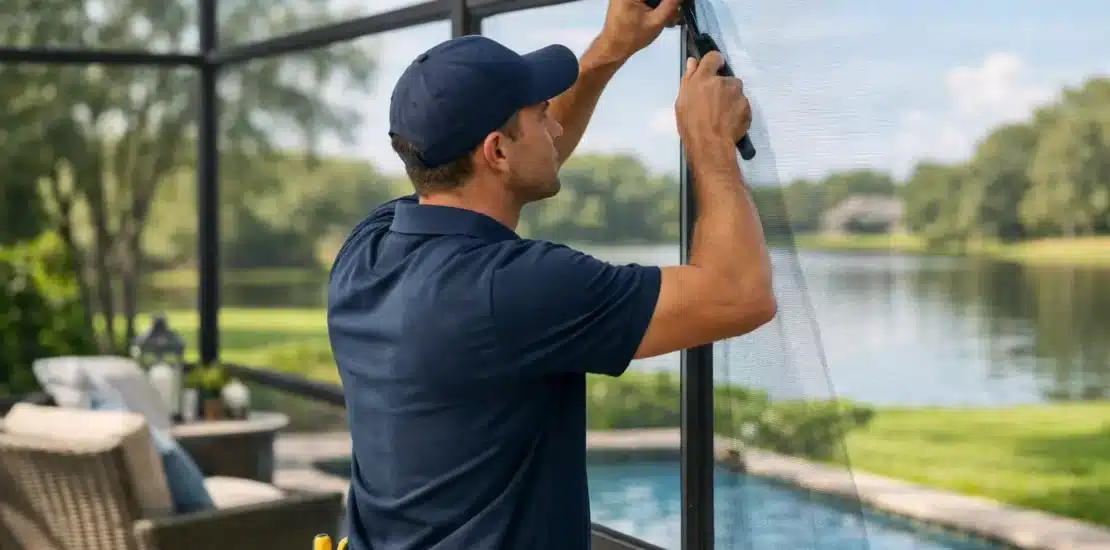
A torn panel near the pool, loose screening along a porch wall, or a door that no longer closes tightly can change how an outdoor space feels overnight. Screen repair Jacksonville homeowners schedule is not only about improving appearance. It restores the insect protection, airflow, shade, and everyday usability that make a screened patio, lanai, or pool enclosure worthwhile.
In Northeast Florida, screens work hard. They are exposed to heavy summer rain, strong sun, wind-driven debris, humidity, salt air in coastal communities, pets, children, and regular use of doors and access points. A small tear may seem minor at first, but it can invite mosquitoes inside, let leaves collect around a pool, and put added stress on the remaining screen material. The right repair starts with identifying why the failure occurred and whether a single-panel fix will truly serve the space over time.
When Screen Repair Jacksonville Makes Sense
Many damaged screens can be repaired without rebuilding the entire enclosure. If the frame is stable, the attachment points are secure, and most panels remain in good condition, replacing isolated damaged sections is often a sensible option. This is common when a branch punctures a panel, a pet claws through a lower section, or a screen has pulled loose around one door opening.
Repair is also a practical choice when the damage is concentrated in high-contact areas. Screen doors, lower wall panels, and corners near furniture or grill access often wear out before the rest of a porch or pool enclosure. Replacing those targeted panels can bring the area back into regular use without changing the overall structure.
A closer evaluation is needed when multiple panels are brittle, faded, sagging, or tearing with little pressure. Screen material ages at a different pace than aluminum framing, so it is possible for a structurally sound enclosure to need extensive rescreening. In that situation, repairing one or two openings may solve the immediate problem, but it may not be the best value if surrounding panels are close to failing.
What Jacksonville Weather Does to Screen Enclosures
Florida weather affects more than the screen itself. Heat and ultraviolet exposure can weaken mesh over time, especially on the side of the enclosure that receives intense afternoon sun. Summer storms can send branches, palm fronds, and other debris into panels, while wind may expose loose spline or weak attachment areas around the frame.
Humidity matters as well. It can contribute to dirt buildup, mildew staining, and deterioration in components that are already worn or poorly fitted. Near Jacksonville Beach, Ponte Vedra Beach, Amelia Island, and other coastal areas, salt air can add another long-term consideration for aluminum frames, fasteners, doors, and hardware.
That is why a repair should look beyond the visible hole. A panel can be replaced correctly, yet still perform poorly if the spline is undersized, the channel is damaged, the frame has shifted, or a door is no longer aligned. Addressing the underlying condition helps the repaired area stay taut and effective through changing weather.
Choosing the Right Screen Mesh for the Space
Not every mesh is suited to every enclosure. The best choice depends on how the space is used, where it is located, and what is causing the current problem. A standard fiberglass screen can be an appropriate, economical selection for many porches and lanais. It provides ventilation and insect protection while preserving an open view.
For homes where pets regularly lean against or scratch lower panels, a stronger pet-resistant screen may be more appropriate. It costs more than standard mesh, but the added durability can reduce repeat repairs in the areas most likely to be damaged. Families may also consider a stronger material around frequently used doors, play areas, and paths between the house and pool.
Fine mesh options can help homeowners who are especially bothered by very small insects. The trade-off is that tighter mesh may slightly reduce airflow and can make dirt or pollen buildup more noticeable. On a shaded, breezy porch, that may be an easy compromise. On a patio with limited natural airflow, maintaining the most open practical mesh can be more important for comfort.
Privacy, shade, and visibility are also part of the decision. Darker screen materials may improve outward visibility in bright conditions, while specialty solar or shade screens can reduce glare in selected areas. These options can be useful, but they need to be planned carefully. A heavily shaded panel placed where airflow is already limited can make a lanai feel warmer rather than more comfortable.
Signs a Repair May Not Be Enough
A screen repair is only as dependable as the enclosure around it. Homeowners should consider a broader assessment when they notice several related issues, including:
- Multiple brittle or sagging panels across the enclosure
- Loose spline, bent frame members, or panels repeatedly pulling free
- Corroded fasteners, damaged door hardware, or doors that drag or will not latch
- Water collecting near the enclosure or evidence that drainage is affecting the structure
- Roof, gutter, or structural changes that have altered how rain flows around the space
These conditions do not automatically mean the enclosure must be replaced. They do mean a simple patch may not correct the source of the problem. A qualified contractor can determine whether selective repairs, full rescreening, door work, frame adjustments, or a more comprehensive improvement is the sounder approach.
Repair Planning for Porches, Lanais, and Pool Areas
The repair needs of a screened porch are different from those of a pool enclosure. On a porch or covered patio, the focus may be keeping mosquitoes out while retaining cross-breezes and a clear connection to the yard. At a pool, debris control and access are often larger concerns. A damaged roof panel or upper enclosure screen can allow leaves and seed pods to accumulate quickly, increasing cleaning time and reducing the enjoyment of the pool deck.
Access should be considered before work begins. Equipment routes, gates, pool furniture, landscaping, and the location of outdoor kitchens or grills all affect how a repair is performed. For an enclosure attached to the home, the contractor should also look at transitions near the roofline, walls, gutters, and drainage paths. These details help prevent a screen repair from creating avoidable complications around the rest of the outdoor area.
If the space has changed since the enclosure was installed, repair can be a useful time to make targeted updates. A homeowner who now works from a screened lanai may want more shade on one exposure. A family that added a dog may benefit from stronger lower panels. A pool owner may need a better-functioning door or a more durable solution around a frequently used entry. The goal is not to overbuild a repair, but to make the repaired space work better for how it is actually used.
Why Professional Installation Matters
Small patches can be useful as a short-term measure, particularly before a gathering or during mosquito season. However, patch material rarely matches the appearance, tension, or durability of a properly replaced panel. It can also draw attention to an otherwise well-kept enclosure.
Professional screen work involves more than cutting mesh to size. Panels need to be installed with even tension, appropriate spline, clean edges, and proper alignment within the existing frame. Too much tension can distort the frame or cause premature failure. Too little can leave the panel wavy, loose, and more likely to pull free during a storm.
An experienced local contractor also recognizes when screen damage points to another issue, such as a settling frame, worn hardware, poor water management, or a branch that needs to be trimmed back from the structure. Schnorr Home Improvements has worked with Jacksonville-area homeowners since 1979, applying that site-specific perspective to repairs as well as larger screen enclosure and outdoor-living projects.
A Better Way to Think About Screen Repair
The best repair is not always the least expensive panel replacement. It is the option that restores comfort without creating a cycle of repeat damage. For one accidental tear, that may mean replacing a single panel. For a sun-exposed lanai with aging mesh throughout, rescreening may offer better long-term value. For an enclosure with drainage, door, or frame concerns, the screen should be addressed as part of the larger condition of the space.
Before scheduling work, take note of where damage occurs, when insects or debris become most troublesome, and how your family uses the area. Those details give a repair professional a clearer picture of the right material, scope, and approach – and help turn the patio, porch, or pool area back into a place you want to use every day.