
Best Lanai Enclosure Materials for Florida Homes
- September 30, 2026
- Posted by: schnorrhome
- Category: Home Improvement Planning
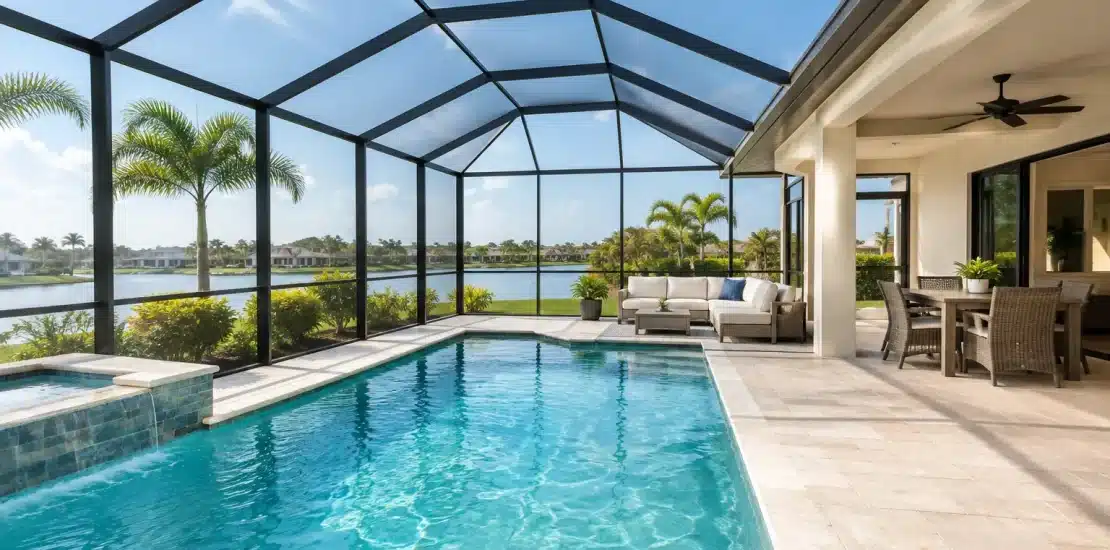
A lanai can be the best place in the house until mosquitoes arrive, afternoon rain blows through, or pollen and oak leaves take over the furniture. Choosing the best lanai enclosure materials is less about selecting one “best” product and more about matching the enclosure to how you use the space, how much sun it receives, and what Northeast Florida weather delivers to your property.
A screened lanai may be exactly right for a homeowner who wants fresh air and pool-deck protection. A glass enclosure may make more sense for someone who wants a bright, conditioned room for year-round dining, hobbies, or relaxation. The right decision begins with the structure, then considers screen, glass, roofing, doors, drainage, and ventilation as parts of one complete design.
Start With the Level of Protection You Want
The biggest material decision is whether you want an outdoor room with airflow, a more sheltered three-season space, or an enclosed room that feels like an extension of the home. These options can look similar from the yard, but they perform very differently in summer heat, heavy rain, and cooler winter evenings.
A screen enclosure keeps the lanai open to breezes while creating a barrier against insects, leaves, and larger windblown debris. It preserves the outdoor character of the space and usually offers the clearest connection to a pool, garden, or backyard.
A glass enclosure provides more complete protection from weather and can reduce outside noise, pollen, and humidity entering the room. It also changes the planning requirements. Glass adds weight, affects solar heat gain, and often calls for careful decisions about insulation, HVAC, window placement, and how the new room connects to the existing roofline.
Between those two choices are hybrid designs, such as screened sections paired with solid knee walls, windows, removable panels, or a covered roof. These can be a practical answer when a homeowner wants airflow most of the year but more shelter around a dining area or seating wall.
Aluminum Is the Structural Standard for Most Lanais
For many Florida lanai and screen-enclosure projects, aluminum is the primary framing material. It is lightweight, does not rust like untreated steel, and can be configured around existing patios, pools, rooflines, and access points. Powder-coated aluminum frames also provide a clean, finished appearance that works with many exterior styles.
The important question is not simply whether an enclosure uses aluminum. It is whether the frame size, connections, anchors, and roof system are appropriate for the span, height, exposure, and intended use of the structure. A tall pool cage, for example, has different engineering needs than a small screened porch attached beneath an existing covered patio.
In coastal and near-coastal areas, salt air deserves extra attention. Aluminum remains a sensible material, but finishes, fasteners, hardware, and routine cleaning all matter. A thoughtful design accounts for the property’s exposure rather than treating every Jacksonville-area home as if it faces the same conditions.
Choosing the Right Screen Material
Screen may look like a minor detail, but it has a major effect on visibility, airflow, insect control, strength, and maintenance. The best choice depends on what bothers you most about using the lanai now.
Standard Fiberglass Screen
Standard fiberglass screen is a familiar choice for patios and lanais because it offers good airflow and a relatively open view. It works well when the main goal is keeping out common insects and leaves without making the space feel closed in.
Its trade-off is durability. Fiberglass can be damaged by pets, children, lawn equipment, or branches during storms. It may be the right fit for protected areas, but a high-traffic door panel or a section near a dog run may need a stronger option.
No-See-Um Screen
Fine-mesh no-see-um screen is designed for smaller insects, which can make a real difference near water, marshy areas, or heavily landscaped yards. For homeowners who stop using their lanai at dusk because of biting insects, this upgrade can be worthwhile.
The tighter weave slightly reduces airflow and can collect more dust or pollen than standard screen. That does not make it a poor choice. It simply means the enclosure should be designed with adequate openings, door placement, and ventilation in mind.
Pet-Resistant Screen
Pet-resistant screen uses heavier material to stand up better to claws, leaning, and repeated contact. It is especially useful at the bottom of wall sections, near doors, or in a lanai where pets spend time.
Using pet screen everywhere is not always necessary. A targeted approach often gives homeowners the protection they need while preserving the lighter feel and visibility of standard mesh in upper panels.
Privacy and Solar Screens
Privacy or solar-control screens can help reduce glare and create separation from neighboring homes. They are useful when the lanai faces a west-facing yard, a busy street, or close adjacent properties.
These screens reduce outward visibility and airflow to some degree, so they work best when used intentionally rather than across every wall. A solid privacy panel on one side, for example, may solve a sightline issue without blocking a valuable backyard view.
Glass, Vinyl, and Window Systems for a More Enclosed Room
When a lanai needs stronger rain protection and a longer usable season, glass or vinyl panel systems are worth considering. The right system depends on whether the space will remain unconditioned or become part of a larger sunroom or Florida room project.
Glass panels and windows offer clear views, dependable weather separation, and a more permanent feel. Low-E glass can help manage solar heat gain, especially where the lanai receives intense afternoon sun. Yet even high-performing glass cannot solve every comfort issue on its own. A room with broad west-facing glass may still need roof insulation, shading, ceiling fans, or HVAC planning.
Vinyl window systems can offer flexibility and weather protection at a different price point. Some systems use clear vinyl panels that slide or stack open, allowing homeowners to adjust for changing conditions. They can be useful for a covered lanai that needs occasional rain and wind protection but is not intended to function as a fully conditioned interior room.
For either material, door location and operable openings deserve close attention. A beautiful enclosed lanai can feel stuffy if there is no practical cross-ventilation or if the only exterior door interrupts the furniture layout.
Roof Materials Matter as Much as Wall Materials
The roof over a lanai determines much of its comfort. Screen walls may provide airflow, but they cannot overcome a roof that traps heat or directs rainwater toward the patio.
An insulated aluminum roof panel system can reduce direct radiant heat and provide reliable cover for a patio or lanai. It is often a strong choice where shade and rain protection are the primary goals. A solid roof also creates a useful location for lighting, fans, and, when properly planned, electrical features.
A shingled roof designed to integrate with the home can create a more architectural, permanent appearance. It may be appropriate for larger enclosures, sunroom conversions, or additions where roofline continuity matters. This approach requires careful planning for structural connections, drainage, flashing, and how the new roof affects existing windows and gutters.
Polycarbonate roof panels bring daylight into a covered space, but they must be selected carefully in Florida. Clear panels can create substantial heat and glare. Tinted or insulated alternatives may be more comfortable, depending on orientation and shade from nearby trees.
How to Choose the Best Lanai Enclosure Materials for Your Property
Before selecting materials, consider how the lanai will be used at 8 a.m., 3 p.m., during a summer storm, and after sunset. A breakfast area may prioritize morning light and insect protection. A poolside gathering space may need durable screen, wide doors, and easy access. A hobby room may call for glass, shade control, and conditioned comfort.
Also look closely at the site. Sun direction, prevailing breezes, roof runoff, mature trees, pool equipment, neighboring homes, and the distance from the lanai to the kitchen all affect the design. A material that performs well on one home can be a poor fit on another if the layout, drainage, or exposure is different.
Local permitting and structural requirements should be part of the conversation early, particularly for roofed enclosures and glass rooms. Proper anchoring, foundation conditions, water management, and wind-load considerations protect both the enclosure and the home it attaches to.
Schnorr Home Improvements has worked with Jacksonville and Northeast Florida homeowners since 1979, approaching each lanai as a site-specific project rather than a standard package. The most successful enclosure is one that fits the home’s architecture while making the outdoor area genuinely easier to enjoy.
A good next step is to stand in the lanai at the time you use it most and identify what is keeping you from staying there longer. Whether it is insects, glare, rain, heat, debris, or a lack of privacy, that answer will point toward the materials and design choices that will serve your home best.