

Replacement Windows Jacksonville Homeowners Need
- September 3, 2026
- Posted by: schnorrhome
- Category: Home Improvement Planning
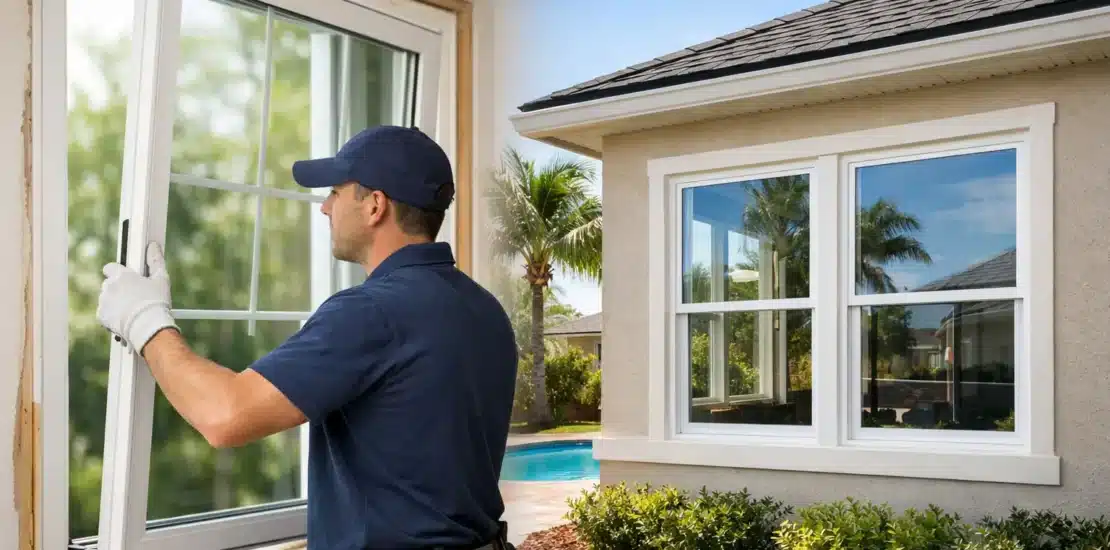
A window that sticks during a summer storm, fogs between the panes, or lets afternoon heat take over a room is more than a minor annoyance. It affects comfort, energy use, noise, and the way your home looks from inside and out. For homeowners considering replacement windows Jacksonville offers conditions that make careful product selection and installation especially worthwhile: strong sun, humidity, wind-driven rain, coastal air in some areas, and sudden weather changes.
The right replacement window is not simply one that fits the opening. It should suit the room, the home’s architecture, the direction the wall faces, and the way the household uses that space. A bedroom facing the morning sun has different needs than a shaded den, a poolside Florida room, or a kitchen exposed to intense western light.
When Replacement Windows Are the Right Next Step
Age alone does not always mean a window needs replacement. Some older windows can be repaired with new hardware, weatherstripping, or glass. Replacement becomes a stronger consideration when the window no longer provides reliable performance or when several problems appear at once.
Drafts, water intrusion, rotting frames, cracked glass, difficult operation, and condensation between insulated glass panes are common warning signs. So are windows that will not stay open, locks that no longer engage properly, and exterior trim that shows recurring damage. In Northeast Florida, repeated moisture exposure can turn a small maintenance issue into a larger concern around the opening if it is left unaddressed.
Homeowners also replace windows during broader improvement projects. A sunroom conversion, home addition, exterior renovation, or patio enclosure may call for windows that better match the home’s existing sightlines, colors, and proportions. Coordinating the window plan with the overall project often creates a more finished result than treating each opening as an isolated purchase.
Choosing Replacement Windows in Jacksonville’s Climate
A window has several jobs at once. It needs to admit daylight, limit unwanted heat, resist rain, operate easily, and contribute to the home’s appearance. The best balance depends on the opening and its exposure.
Glass selection affects everyday comfort
For Jacksonville homes, insulated glass with a low-emissivity coating is often a practical starting point. Low-E glass is designed to help reduce solar heat transfer while still allowing natural light into the room. This can make a noticeable difference in spaces with large sun exposure, particularly on south- and west-facing walls.
The details matter. Very dark glass may reduce glare and heat but can make an interior feel less open. Clearer glass may preserve a brighter view but allow more heat into a room at certain times of day. A homeowner who wants a light-filled sitting area may make a different choice than someone replacing windows in a media room or home office where glare is a daily frustration.
Look beyond a single performance number. Factors such as U-factor, solar heat gain coefficient, visible light transmission, and air leakage ratings describe different parts of window performance. A knowledgeable contractor can explain how those ratings apply to the actual orientation and use of each room rather than suggesting one specification for every window in the house.
Frame materials should fit the setting and maintenance goals
Vinyl, fiberglass, aluminum, and wood-clad windows each involve trade-offs. Vinyl is widely used because it is low maintenance and can offer good thermal performance. Fiberglass is known for strength and stability, while aluminum can provide slimmer profiles and is often selected for particular architectural styles. Wood-clad options can bring warmth to an interior but usually require more attention to long-term maintenance.
In humid, rainy conditions, the frame, seals, flashing details, and exterior finish all deserve attention. The most attractive window will not perform well if moisture is allowed to reach surrounding framing or if the exterior connection is poorly finished.
Operation style changes ventilation and function
Window style should support how the room is used. Double-hung windows are familiar and work well in many traditional homes. Casement windows can provide broad ventilation and are useful where a homeowner wants easy operation from inside. Sliding windows may suit openings with limited exterior clearance, while picture windows maximize views and daylight where ventilation is not needed.
For a sunroom or enclosed patio, operable windows can help manage fresh air during milder months. Their placement should be considered with doors, existing screens, ceiling fans, furniture, and the prevailing breeze. A room with plenty of glass but poor ventilation can become less enjoyable than expected.
The Installation Details Matter as Much as the Window
A replacement window is only as dependable as its installation. Before work begins, each opening should be measured and evaluated individually. Older homes can have openings that are not perfectly square, and prior repairs may reveal conditions that need correction before a new unit is installed.
The installer should check for deteriorated wood, water staining, damaged sheathing, failed caulking, and issues at the sill. Proper shimming, fastening, insulation, flashing, and sealing help the window operate correctly while directing water away from the home. This is especially significant during Jacksonville’s heavy rain events, when wind can drive water toward joints that may seem protected on a calm day.
A full-frame replacement and an insert replacement are not the same approach. Insert replacement can be appropriate when the existing frame is sound and homeowners want to preserve surrounding trim. Full-frame replacement allows a more complete inspection of the opening and may be the better choice when there is rot, leakage, frame damage, or a desire to change the window size or style. The appropriate method depends on the existing construction, not simply on the lowest initial price.
Plan Windows Around Sun, Water, and Architecture
Good window planning begins outside. Consider where the strongest sunlight hits the home, whether roof overhangs provide shade, how nearby trees affect light, and where rainwater travels during a storm. A window wall beside a patio cover or screened enclosure may experience different exposure than a front elevation with a deep porch.
Interior priorities matter too. A large fixed window can make a living area feel connected to the yard, but it may not provide the airflow needed in a room used throughout the year. Smaller operable units can improve ventilation but may divide a view. The best design usually combines fixed and operable windows in a way that supports both light and function.
Architectural consistency is another practical consideration. Window grille patterns, frame colors, sash proportions, and trim profiles can either complement the home or make an addition look disconnected. This is particularly relevant when replacement windows are part of a Florida room, sunroom, or addition project. Matching the existing home’s visual character helps the finished space feel intentional.
Questions to Ask Before You Commit
A productive consultation should give you clear answers about the window itself and the work around it. Ask how the installer will address hidden rot or water damage if it is discovered. Discuss the expected glass package, operation style, frame material, warranty coverage, and whether exterior trim or interior finishes are included.
It is also reasonable to ask how the installation will protect landscaping, flooring, furniture, and adjacent finishes. If several windows are being replaced, understand the sequence of work and how temporary weather protection will be handled. For homes near the coast or in exposed areas, ask whether the selected product and installation approach fit the property’s wind and weather requirements.
Price matters, but comparing proposals line by line is more useful than comparing a bottom-line number alone. One estimate may include removal, disposal, trim work, flashing, and repair allowances, while another may not. A less expensive proposal can become more costly if necessary site work is excluded.
Make the Upgrade Serve the Way You Live
Replacement windows should make daily life easier. They should open when you want fresh air, close securely before a storm, reduce uncomfortable heat near seating areas, and complement the rooms where your family spends time. For homeowners planning a larger indoor-outdoor improvement, they should also support the comfort and appearance of the space beyond the glass.
Since 1979, Schnorr Home Improvements has approached residential projects by looking at the property, the home’s design, and how each area will be used. A thoughtful window plan gives you more than a new view. It gives your home better protection, more dependable comfort, and a result that belongs with the rest of the house.