
Top Hurricane Resistant Window Features to Compare
- November 15, 2026
- Posted by: schnorrhome
- Category: Home Improvement Planning
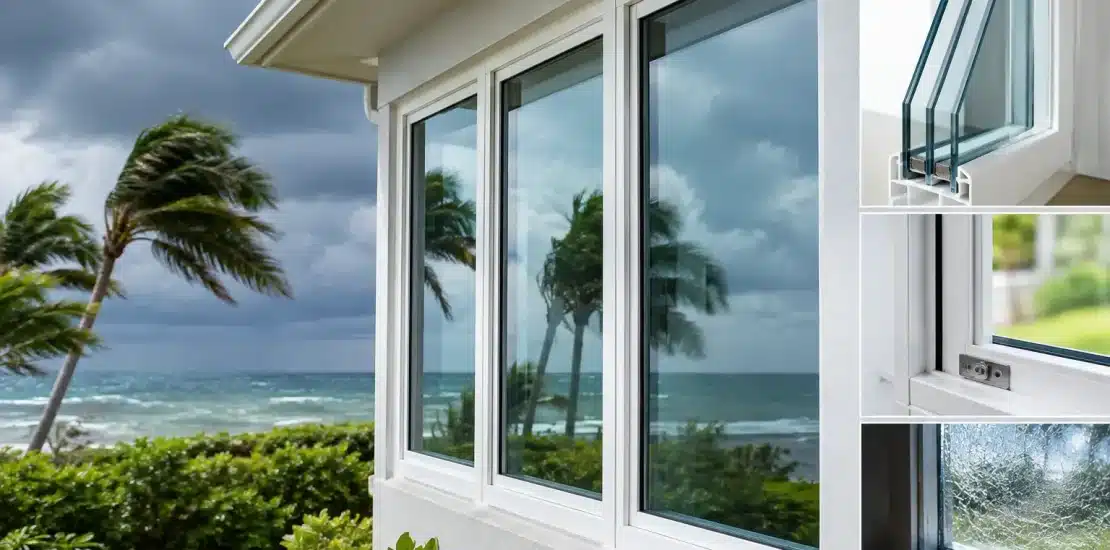
A window can look substantial and still be the weak point during a severe storm. For Northeast Florida homeowners, the top hurricane resistant window features are not limited to thick-looking glass. The glass, frame, hardware, water-management details, and installation all need to work together to help protect the home while preserving the daylight and views that make a sunroom, Florida room, or living area enjoyable.
Hurricane-resistant windows are a practical investment for homes exposed to high winds, wind-driven rain, flying debris, and intense sun. The right choice depends on your home’s opening sizes, wall construction, exposure, location, and whether the windows are part of a replacement project, addition, or enclosed outdoor-living space.
What Hurricane-Resistant Windows Are Designed to Do
Hurricane-resistant windows are commonly called impact windows because they are engineered and tested to withstand specified wind pressures and impacts. Their purpose is not simply to prevent cracked glass. They are designed to help maintain the building envelope when debris strikes the window.
That distinction matters. When a conventional window breaks during a storm, wind and rain can enter the home. Pressure changes inside the structure may contribute to more extensive damage to interior finishes, roofing, and other openings. An impact-rated system is intended to resist that failure under the conditions for which it was tested.
No window makes a home invulnerable to every storm or every possible impact. Performance depends on the product rating, the opening it is installed in, and proper installation. Homeowners should view hurricane resistance as a carefully planned system rather than a single product feature.
Top Hurricane Resistant Window Features to Look For
Laminated impact glass
The defining feature of an impact window is typically laminated glass. It uses two or more panes of glass bonded with a durable interlayer. If the outer glass breaks after an impact, that interlayer is designed to help hold broken pieces together and keep the opening protected.
This is different from ordinary tempered glass. Tempered glass is useful in many residential applications because it breaks into small pieces, but it is not automatically a substitute for a tested impact-rated glazing system. Ask whether the full window assembly, not just the glass, meets the required impact rating for your property.
Laminated glass can also provide everyday advantages. It may reduce outside noise and block a portion of ultraviolet light, which can help limit fading on furnishings and flooring. The specific results vary by glass package, tint, and coating.
Tested wind-pressure ratings
A hurricane-resistant window needs to resist more than a direct strike. Strong winds push and pull on glass, frames, and fasteners. Look for products tested for design pressure, often shown as a DP rating or as positive and negative pressure performance.
The correct rating is not one-size-fits-all. Larger windows, upper-story openings, exposed waterfront properties, and openings facing prevailing winds may require different design considerations than smaller, more sheltered windows. A properly planned project accounts for the location and size of each opening instead of assigning the same product to every wall.
Reinforced frames and secure corners
Glass can only perform as well as the frame holding it in place. Quality impact-window systems use frames designed to handle the loads transferred from the glass during high winds. Depending on the product, that can include reinforced vinyl, aluminum, or composite construction, as well as strengthened corner joints and glazing channels.
Material selection involves trade-offs. Aluminum frames can offer slim sightlines and suit certain sunroom designs, while vinyl can provide good insulation and low maintenance. In coastal and humid environments, corrosion resistance, finish durability, and drainage details deserve close attention. The best frame is one that fits the project’s structural needs, appearance, and exposure conditions.
Heavy-duty hardware and locking points
The sash, locks, hinges, rollers, and keepers must keep the window closed and engaged under pressure. Multi-point locking systems can improve the connection between an operable sash and its frame, particularly on casement-style windows and doors.
Hardware also affects daily use. A window that is difficult to operate may stay closed when a homeowner would otherwise use it for ventilation. For a Florida room or enclosed patio, it is worth discussing how the windows will open, how screens are integrated, and whether the chosen style supports the airflow the space needs.
Water-management details
Wind-driven rain is often as disruptive as flying debris. Effective hurricane-resistant windows include carefully designed sill areas, weep paths, gaskets, and weatherstripping to direct incidental water outward and limit infiltration around moving parts.
These details should be considered alongside the home itself. Roof runoff, nearby patio elevations, existing drainage, and wall transitions can all influence how water behaves around a window opening. A well-rated window cannot compensate for poor flashing, improper slope, or water being directed toward the wall.
Energy-conscious glass options
Northeast Florida homeowners need storm protection, but they also live with long stretches of direct sun and heat. Low-emissivity coatings, tinted glass, and insulated glass units can help manage solar heat gain and improve comfort near large window walls.
More tint is not always better. A darker glass package may reduce glare and heat, but it can also change the amount and color of natural light inside the room. In a sunroom or glass enclosure, the goal is usually a balanced result: useful daylight without turning the room into a hot, overly bright space during the afternoon.
Why Installation Is One of the Most Important Features
A window label and a strong frame do not guarantee performance after installation. The attachment method, fastener type and spacing, structural condition of the opening, sealant application, flashing, and interior and exterior trim all affect the finished system.
Existing homes can present complications that are not visible from the outside. Wood framing may need repair. An opening may be out of square. Older windows may conceal water damage, or a patio-to-sunroom conversion may require structural planning before replacement windows are selected.
For that reason, installation should begin with a review of the opening rather than a measurement alone. At Schnorr Home Improvements, planning for replacement windows and enclosed living spaces considers how the windows connect to the home, how the room will be used, where sunlight enters, and how rainwater moves across the property.
Choose Window Styles Around Everyday Use
Hurricane resistance does not require sacrificing function. Fixed picture windows can maximize light and views, but they do not provide airflow. Single-hung and double-hung windows can work well where vertical operation is preferred. Casement windows can provide wide openings and a tight compression seal when closed, though their outward swing needs clear space outside.
For a screened porch conversion, lanai enclosure, or new sunroom, a mix of fixed and operable units is often more useful than one window style throughout. Fixed glass may suit a view-facing wall, while operable windows on adjacent walls can support cross-ventilation. The right arrangement depends on the room’s orientation, roof design, shade, and connection to the rest of the house.
Questions to Ask Before Selecting Impact Windows
Before committing to a product, homeowners should confirm that the proposed windows are rated for the project requirements and approved for the intended application. Ask how the system handles impacts and wind pressure, what glass package is included, and whether the product has documentation for its performance rating.
It is also reasonable to ask about frame material, hardware, drainage, warranties, and maintenance needs. For homes near the coast or in areas with frequent salt air, ask how exterior components are expected to hold up over time. If you are enclosing a patio or building a sunroom, discuss the entire assembly, including roof connections, screens, doors, insulation, ventilation, and drainage.
A hurricane-resistant window should feel like part of a well-planned home improvement, not an isolated upgrade. When the product, installation, and room design are matched to your property, you can gain more confidence during storm season while enjoying a brighter, more usable living space the rest of the year.