
Best Windows for Humid Climates That Last
- November 11, 2026
- Posted by: schnorrhome
- Category: Home Improvement Planning
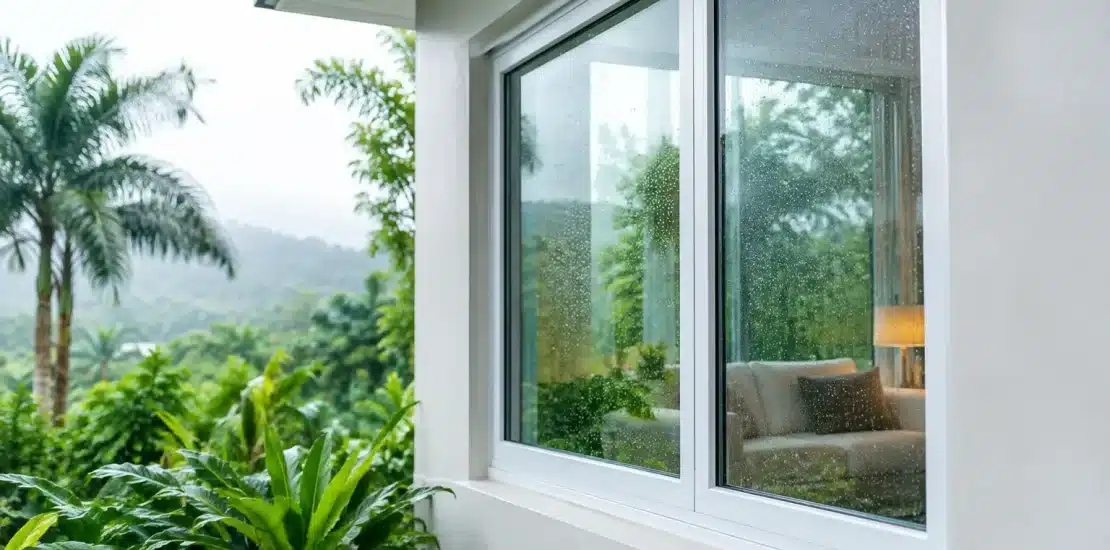
A window can look perfectly fine on installation day and still become a weak point in a Florida home. Moisture may collect around the sash, salt air can wear on hardware, and a poorly sealed opening can allow wind-driven rain into the wall system. In Jacksonville and throughout Northeast Florida, choosing the best windows for humid climates means looking beyond appearance and focusing on materials, glass performance, drainage, and installation details.
The right choice depends on where the window will be used. A replacement window in a conditioned bedroom has different demands than windows enclosing a sunroom, patio conversion, or Florida room. Still, the goal is the same: bring in light and views while helping the space stay dry, comfortable, and durable through heat, humidity, afternoon storms, and strong sun.
What Humidity Does to Windows
Humidity alone does not ruin a quality window. Problems start when warm, moisture-heavy air reaches a cool surface or finds a path into gaps around the frame. That can lead to interior condensation, mildew around trim, swollen wood components, staining, or moisture damage inside the wall.
In coastal and near-coastal areas, airborne salt adds another consideration. It can accelerate corrosion on exposed fasteners, screens, locks, rollers, and aluminum components that do not have appropriate protective finishes. Heavy rain also tests the window’s weatherstripping, sill design, flashing, and drainage paths.
For Florida homeowners, a window should do more than close tightly. It needs to manage water predictably. That means allowing incidental water to drain to the exterior rather than trapping it in the frame or directing it toward the home.
Best Windows for Humid Climates: Start With the Frame
The frame material influences maintenance needs, insulation, long-term appearance, and resistance to moisture. There is no single material that suits every opening, but some choices are better suited to humid conditions than others.
Vinyl Windows Offer Practical Moisture Resistance
Quality vinyl windows are a common choice for humid-climate homes because vinyl does not absorb moisture, rot, or require repainting. Insulated vinyl frames can also help reduce heat transfer compared with standard metal frames.
The trade-off is quality variation. Lower-grade vinyl can expand and contract noticeably under intense sun, especially on broad, exposed elevations. A well-built vinyl window with reinforced construction, reliable weatherstripping, and proper drainage is more likely to perform well over time than a bargain option selected on price alone.
Fiberglass Holds Its Shape Well in Heat
Fiberglass frames are especially worth considering where sunlight exposure is intense or where homeowners want a material with a more stable expansion rate. Fiberglass resists moisture and can provide strong thermal performance, helping keep interior glass and frame surfaces warmer or cooler as conditions change.
It generally costs more than vinyl, so it may be most appropriate for larger openings, highly exposed walls, or projects where long-term dimensional stability is a priority. For a custom sunroom or room addition, it can be a useful option when frame appearance and performance both matter.
Aluminum Still Has a Place, With the Right Design
Aluminum is strong, slim, and well suited to wide views and certain enclosure applications. It is often used in sunrooms, glass enclosures, and outdoor-living structures because it can support larger glass areas without overly bulky frames.
However, bare or basic aluminum conducts heat readily and can contribute to condensation in air-conditioned spaces. For conditioned rooms, thermally improved aluminum frames are preferable. In humid or coastal settings, durable finishes, corrosion-resistant hardware, and routine care are equally important.
Wood Requires a Maintenance Commitment
Wood windows provide a traditional appearance and can complement certain architectural styles, but they demand more attention in a humid climate. If exterior paint, cladding, caulk, or drainage details fail, wood can absorb moisture and deteriorate.
Clad-wood windows can reduce exterior maintenance while preserving a wood interior, but they still need regular inspection. They are best selected by homeowners who value the look and are prepared to keep protective finishes in good condition.
Choose Glass for Heat, Sun, and Everyday Comfort
Frame material matters, but glass makes up most of the window surface. In Northeast Florida, sunlight and solar heat gain are usually more pressing concerns than extreme winter cold.
Low-E glass is a practical starting point. A low-emissivity coating helps limit unwanted heat transfer while still allowing natural light into the home. For rooms facing south or west, where afternoon sun can make a space uncomfortable, the solar heat gain coefficient deserves close attention. A lower solar heat gain coefficient generally reduces the amount of solar heat passing through the glass.
The lowest number is not always the best answer. Very dark or highly tinted glass can reduce glare and heat, but it can also make a room feel dimmer and change the appearance of outdoor views. The best balance depends on the room’s orientation, roof overhangs, nearby trees, window size, and how the space will be used.
For a sunroom used as a reading area, dining room, hobby room, or everyday gathering space, glass selection should be planned alongside shading and ventilation. Large expanses of glass can be enjoyable, but they need to be designed around the amount and direction of sunlight the room receives.
Do Not Overlook Condensation and Ventilation
Condensation is often misunderstood. It does not automatically mean the window has failed. It occurs when humid air contacts a surface cool enough for moisture to form. In Florida, this commonly happens on the exterior of highly efficient glass during certain weather conditions, or on the interior when air conditioning lowers the glass temperature and indoor humidity is high.
Interior condensation that appears regularly or heavily deserves attention. It may point to excessive indoor humidity, inadequate air circulation, a cooling-system issue, or a window with poor thermal performance. Bathrooms, kitchens, laundry areas, and enclosed sunrooms often need especially thoughtful ventilation.
Operable windows can help when outdoor conditions are favorable, but ventilation is not simply a matter of opening more windows. During the most humid parts of the year, bringing in outdoor air can increase the moisture load inside a conditioned home. Ceiling fans, exhaust fans, appropriate HVAC sizing, and balanced window placement all contribute to comfort.
Installation Is as Important as the Window Itself
Even the best window can underperform if it is installed without proper flashing, sealants, shimming, fastening, and water management. Florida’s sudden downpours expose shortcuts quickly.
A proper installation begins with evaluating the opening and the surrounding wall. The installer should account for sill condition, exterior cladding, housewrap or water-resistive barrier details, flashing integration, and any signs of prior water intrusion. The replacement window must be level, plumb, square, and secured according to its intended use and local requirements.
Caulk should not be treated as the only line of defense. Sealants are important, but the opening should also be designed so that water is directed outward. Weep holes and drainage channels must remain clear after installation. Covering them with trim, sealant, paint, or debris can prevent the window from draining as intended.
For homes near the coast or in areas subject to stronger wind exposure, homeowners may also need to consider impact-rated products or protective shutter systems. Local code requirements, opening size, location, and the home’s existing protection strategy all affect that decision.
Match the Window Style to the Room
A window style should support how the room functions. Single-hung and double-hung windows can suit traditional home elevations and provide familiar operation. Casement windows seal tightly when closed and can direct breezes inward when open, though their outward swing needs clearance. Sliding windows work well where an outward-opening sash would interfere with a walkway, screen enclosure, or patio furnishing.
For a sunroom or patio conversion, large fixed glass panels may create the strongest views, while strategically placed operable windows provide cross-ventilation. The key is not to make every panel operable. Too many moving components can add cost, reduce glass area, and create more maintenance points. A custom plan can balance fixed and operable sections based on the room’s exposure, layout, and intended use.
Questions to Ask Before Replacing Windows
Before selecting a product, homeowners should know whether the room is conditioned year-round, which walls receive the strongest sun, and whether rain has entered around existing windows. It is also useful to ask about the frame’s drainage system, hardware corrosion resistance, glass options, warranty terms, and how the installer will integrate flashing with the existing exterior.
For sunrooms, glass enclosures, and replacement-window projects, Schnorr Home Improvements approaches these decisions in the context of the entire property. Roofline, shade, airflow, drainage, access, and the way a family plans to use the finished space all shape the right recommendation.
The best window is not simply the one with the longest feature list. It is the one that fits the home’s exposure, construction, comfort goals, and maintenance expectations – and is installed so Florida rain has a clear path away from the home.