
How to Improve Porch Airflow in Northeast Florida
- November 23, 2026
- Posted by: schnorrhome
- Category: Home Improvement Planning
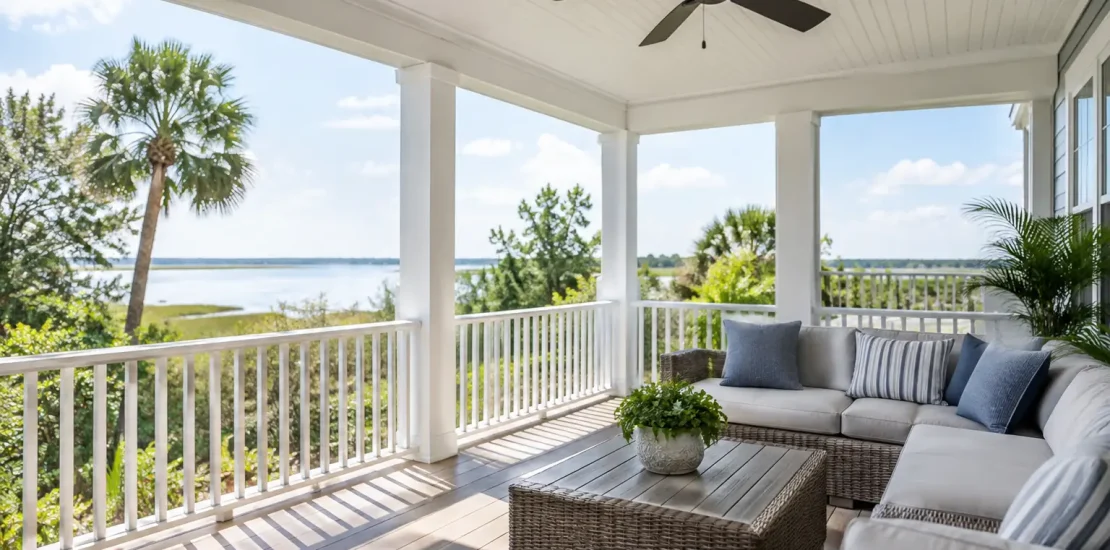
A porch can have plenty of shade and still feel hot, damp, and stagnant by midafternoon. In Northeast Florida, the problem is often not the porch itself but the way air is being blocked, trapped, or redirected around it. Knowing how to improve porch airflow starts with looking at the entire space: its orientation, roof shape, screening, openings, surrounding landscaping, and how your family uses it.
A few small changes may make an existing screened porch more comfortable. In other cases, persistent heat and humidity point to a design issue that is best addressed during a larger renovation. The right approach depends on whether the goal is a breezier place to enjoy morning coffee, a better entertaining area, or an enclosure that remains useful through more of the year.
Start With Where the Air Is Coming From
Airflow needs both an entry point and an exit point. A porch with one open side may receive a breeze, but air can stall if there is no clear path for it to move through the space. This is especially common on deep porches, enclosed lanais, and patios that have been screened beneath a solid roof.
Begin by paying attention to the porch at different times of day. Notice which direction prevailing breezes approach from, where the afternoon sun falls, and whether nearby walls, fences, hedges, or a neighboring structure block the wind. Jacksonville-area properties often experience changing breezes with summer storms and coastal weather patterns, so a porch that feels pleasant in the morning may become still later in the day.
If a door, storage wall, solid knee wall, or tightly placed furniture blocks the strongest breeze path, rearranging the space can help. Keeping the central path between openings clear allows air to move across seating and dining areas rather than stopping at the first obstacle.
Choose Screen Materials That Support Ventilation
Screened porches provide a valuable barrier against mosquitoes, debris, and leaves, but screen selection affects how open the porch feels. A standard screen allows substantial air movement while providing everyday insect protection. Finer mesh screens are helpful where no-see-ums are a concern, yet their tighter weave can slightly reduce airflow.
That trade-off is worth considering before replacing every panel with the finest available mesh. A homeowner near marshy areas or the coast may prioritize protection from small insects. On a porch with limited natural breeze, a more open screen may be the better comfort choice. The frame layout also matters. Too many vertical members or unusually large solid sections can interrupt views and reduce the open area available for air movement.
Damaged or clogged screens deserve attention as well. Pollen, dust, spider webs, and mildew can accumulate over time, particularly in humid conditions. Gentle seasonal cleaning helps preserve both airflow and the appearance of the enclosure.
Use Ceiling Fans the Right Way
A ceiling fan does not lower outdoor air temperature, but it can make a porch feel noticeably more comfortable by moving air across the skin. That added circulation helps moisture evaporate and reduces the heavy, still feeling that makes a shaded porch hard to enjoy.
Fan size, placement, and mounting height matter more than simply adding the largest fan available. A fan that is too small for a wide porch will have limited reach, while an oversized unit mounted too low can feel intrusive and may not circulate air evenly. On long rectangular porches, two appropriately sized fans often work better than one large fan in the center.
For covered outdoor areas, choose a fan rated for damp or wet locations based on its exposure to rain and moisture. The blades should rotate counterclockwise during warm weather to push air downward. A qualified installer can also confirm that the electrical box, wiring, and mounting support are suited to the fan’s weight and outdoor conditions.
How to Improve Porch Airflow With Openings
Fixed screens are ideal for many porches, but operable elements provide more control when the weather changes. Screen doors, sliding panels, operable windows, or adjustable louvers can create cross-ventilation by giving warm air a place to escape while drawing fresher air through the porch.
High and low openings can be particularly useful. Warm air naturally rises, so an opening positioned higher on a wall or near the roofline can release trapped heat. Lower openings on the opposite side of the porch can then bring in replacement air. This principle is simple, but fitting it into an existing roofline and enclosure requires careful planning.
A fully glassed-in Florida room presents a different situation. Glass protects against rain, pollen, and humidity, but it limits passive airflow when windows are closed. Operable windows, screened ventilation sections, and correctly sized doors can help the room function as a flexible indoor-outdoor space instead of a sun-heated box. The best balance depends on whether you want the room to operate mainly as a screened retreat, a conditioned extension of the home, or something in between.
Reduce Heat Before It Reaches the Porch
Poor airflow is often blamed for discomfort when solar heat gain is the larger issue. If direct western or southern sun pours into the porch for several hours, even strong fans may only provide partial relief. Shade reduces the heat load so natural ventilation and fans can do their job more effectively.
The roof is the first place to look. A properly designed patio cover or porch roof should account for ceiling height, roof pitch, structural connection to the home, drainage, and sunlight exposure. A taller ceiling can allow hot air to collect above the occupied area, while a roof design that complements the home’s existing roofline can improve both appearance and long-term weather performance.
Outside the porch, shade trees, pergola features, landscape plantings, and solar screens can reduce direct sun. Each option has trade-offs. Dense plantings may provide welcome shade but can also block breezes if placed directly in front of the porch. Pergolas offer filtered light and visual character, yet they do not provide the same rain protection as a solid cover. The goal is not to seal off the porch from the sun and wind, but to manage both thoughtfully.
Look for Obstacles Around the Porch
The area just beyond an enclosure has a real effect on comfort inside it. Tall privacy fences, outdoor kitchens, pool equipment walls, and thick shrubs can create sheltered pockets where heat lingers. Sometimes moving a planter, trimming vegetation, or revising the layout of an outdoor seating area opens a clearer breeze path without changing the porch structure.
Water management also belongs in the conversation. Florida’s heavy rain can splash onto a porch, leave moisture around the foundation, and discourage homeowners from opening doors or windows when the weather turns. Proper roof runoff, gutters, grading, and drainage help keep the space usable without creating a damp perimeter that contributes to a humid feel.
Plan Major Improvements as One System
When an existing porch remains uncomfortable despite cleaning screens, improving furniture placement, and adding fans, it may be time to consider a more complete redesign. An undersized roof, low ceiling, poor opening placement, or an enclosure built without regard for sun exposure cannot always be corrected with accessories.
For additions, screened patios, sunrooms, and lanai conversions, ventilation should be considered alongside roof configuration, access points, drainage, sunlight, and the home’s architecture from the first design discussion. A porch that looks attractive on a drawing can still disappoint if it faces intense afternoon sun, traps warm air under a low roof, or has no useful cross-breeze.
Schnorr Home Improvements has served Northeast Florida homeowners since 1979 with site-specific outdoor living designs that account for those everyday details. A professional evaluation can identify whether targeted upgrades are likely to solve the problem or whether the porch needs a different enclosure, roof, or opening strategy.
The most comfortable porch is not necessarily the most open or the most enclosed. It is the one designed around the way air, sun, rain, and people move through your property – giving you a place that feels inviting long after the heat of the day arrives.