
How to Cool a Sunroom During Florida Heat
- October 18, 2026
- Posted by: schnorrhome
- Category: Home Improvement Planning
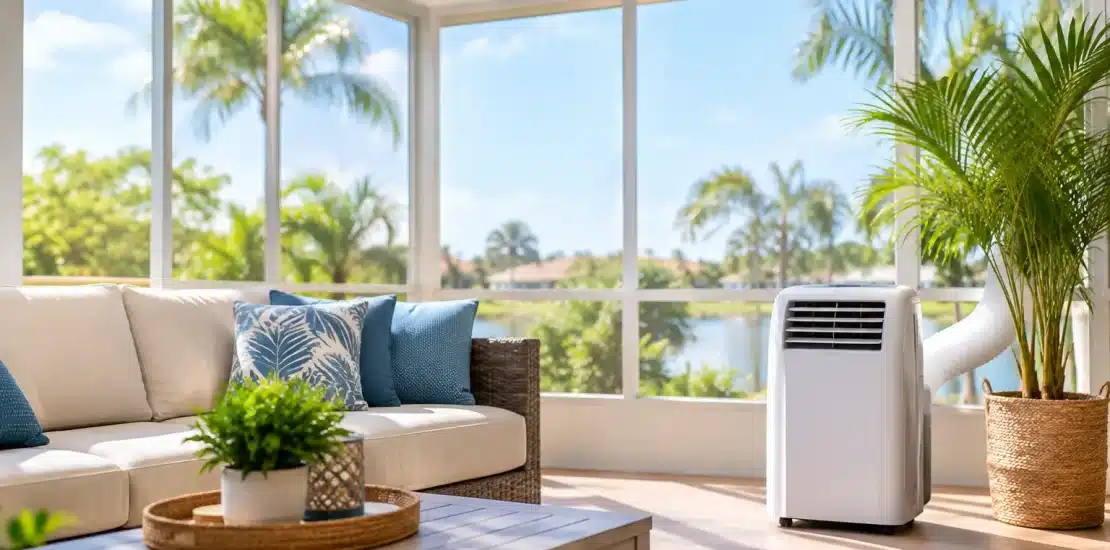
A sunroom can be the brightest room in the house and, during a Northeast Florida summer, the one that feels least inviting by midday. The answer to how to cool a sunroom is rarely just adding a stronger air conditioner. Lasting comfort comes from managing the heat before it enters the room, moving air effectively, controlling humidity, and designing the space around its specific exposure.
A room facing west with a large glass wall needs a different approach than a shaded patio conversion with limited airflow. That is why the best cooling plan starts with the room itself: its roofline, glazing, orientation, existing HVAC, and how you intend to use it.
Start by identifying where the heat is coming from
Sunrooms gain heat through glass, the roof, walls, and air leaks around doors or window connections. In Jacksonville and surrounding coastal communities, humidity adds another layer of discomfort. A room may be technically air conditioned but still feel sticky, warm near the glass, or difficult to use during the afternoon.
Walk through the room at different times of day and note when it becomes uncomfortable. If the problem appears only after 2 p.m., direct western sun is likely the main issue. If it feels hot from late morning through evening, the roof assembly, overhead glazing, or inadequate insulation may be contributing. If the room feels clammy even when the temperature is acceptable, humidity control deserves more attention.
This assessment helps avoid a common mistake: spending money on a cooling system that is trying to overcome an unaddressed solar-gain problem.
Reduce solar heat before it reaches the room
Stopping sunlight outside the glass is generally more effective than trying to block it after it has already heated the interior. Exterior shade also protects furnishings, flooring, and fabrics from constant UV exposure.
Add the right type of shade for the exposure
Fixed roof extensions, patio covers, and properly planned overhangs can shade high summer sun while still allowing useful natural light. Pergolas can help in areas where filtered shade is the goal, although their performance depends on slat spacing, orientation, and whether a cover is added.
For low-angle morning or afternoon sunlight, vertical shade is often more helpful. Exterior roller shades, solar screens, awnings, or strategically placed landscaping can reduce glare and solar heat gain without closing off the view entirely. A west-facing sunroom may benefit most from adjustable shading because the angle and intensity of late-day sun change throughout the year.
Interior blinds and shades are still useful for privacy and glare, but they are a secondary line of defense. Once sunlight passes through the glass, much of that heat is already inside.
Choose glass that works for Florida conditions
Not all sunroom glass performs the same way. Modern insulated glass units with low-emissivity coatings can reduce solar heat gain while maintaining a clear, open appearance. The appropriate glass selection depends on the room’s orientation, how much direct sun it receives, and whether preserving maximum daylight or limiting heat is the higher priority.
Tinted glass may reduce glare and heat, but it can also make the room noticeably darker. A very dark tint is not automatically the best choice, especially in a sunroom that is shaded for part of the day. A balanced glazing plan can use different performance levels on different exposures rather than applying one solution everywhere.
If the existing room has older single-pane glass, replacing windows or enclosure panels may make a substantial difference in both comfort and energy use. It can also improve condensation resistance and help reduce the uneven temperatures that develop near large glass surfaces.
Improve airflow without inviting in heat and humidity
Air movement does not lower the actual air temperature, but it makes a room feel more comfortable by helping perspiration evaporate. In a sunroom, that difference can be significant.
Ceiling fans are often one of the simplest improvements, provided they are sized and placed correctly for the room. A fan should be mounted at a safe height, centered where people gather when possible, and selected for the room’s dimensions rather than as an afterthought. During warm weather, it should rotate counterclockwise to push air downward.
Operable windows can also help when outdoor conditions are favorable. Cross-ventilation works best when openings are positioned on more than one side of the room, allowing air to enter and exit instead of simply circulating near one wall. In Northeast Florida, however, opening the room may bring in high humidity, pollen, and insects during much of the year. It is a useful option for pleasant mornings and cooler seasons, not a complete summer cooling strategy.
For screened rooms or lanais, fans and natural ventilation are often the primary comfort tools. For a glass-enclosed sunroom intended for daily living, ventilation should work alongside a planned cooling and dehumidification approach.
Make sure the roof is not working against you
The roof above a sunroom receives hours of direct sun, making it a major source of heat gain. A poorly insulated roof can radiate heat downward long after the sun has shifted away from the windows.
A properly designed insulated roof system helps stabilize temperatures and reduces the workload on mechanical cooling. Roof style also matters. Studio-style sunrooms have a single-slope roof and may be well suited to certain home connections and drainage conditions. Gable-style rooms provide a higher ceiling and a different interior feel, but their glazing, roof angle, and airflow need to be planned carefully.
Drainage is part of comfort, too. In Florida’s heavy rain, water management around the roof connection and patio perimeter protects the room and the home from moisture problems that can eventually affect insulation, finishes, and indoor air quality.
Size HVAC and dehumidification for the actual space
If a sunroom is fully enclosed and used as a home office, dining area, hobby room, or everyday sitting room, it may need dedicated mechanical cooling. Extending an existing central HVAC system can work in some homes, but it is not always the right answer. The home’s current system may not have the capacity to handle a high-glass addition, and improperly extending ductwork can create comfort issues elsewhere in the house.
A ductless mini-split is often worth considering for a sunroom because it provides independent temperature control. This can be especially practical when the room is used heavily at certain times of day or when homeowners prefer not to cool it to the same setting as the rest of the house.
Bigger is not always better. An oversized air conditioner may cool the room quickly but cycle off before removing enough moisture, leaving the space cool yet clammy. Proper load calculations should account for glass area, glass performance, roof insulation, room orientation, air leakage, occupancy, and local climate conditions.
In particularly humid spaces, a dedicated dehumidifier may improve comfort and protect furnishings. It should be sized for the room and positioned so it can drain reliably, rather than relying on frequent manual emptying.
Use furnishings and finishes that support comfort
A sunroom’s surfaces affect how it feels. Dark flooring, heavy fabrics, and furniture placed directly against sun-facing glass can make an already warm room feel hotter. Light-reflective finishes, UV-resistant furnishings, and breathable window treatments are more comfortable choices for rooms with strong exposure.
Keep supply vents, return-air paths, and fan circulation zones clear. Large furniture can interrupt airflow, while area rugs and upholstered pieces should be selected with Florida humidity in mind. If the room connects to a pool deck or patio, choose materials that tolerate damp feet, tracked-in water, and regular cleaning.
Plan cooling as part of the sunroom design
The most effective way to cool a sunroom is to address comfort before construction begins. Window placement, roof insulation, shade, ventilation, access doors, drainage, and HVAC options all work together. A well-designed room should not force homeowners to choose between enjoying the view and escaping the heat.
For a new enclosure or patio-to-sunroom conversion, site-specific planning can identify where afternoon sun enters, how the new roof will tie into the home, and whether existing mechanical systems can support the added space. Since 1979, Schnorr Home Improvements has approached these decisions around the property and the way each homeowner plans to use the room.
A comfortable sunroom is not necessarily the coldest one. It is a room that stays usable through bright afternoons, summer storms, and humid evenings, giving your household a dependable place to enjoy the light without being overwhelmed by it.